
Sublease Agreement
Essential Strategies for Effective Property Management
Introduction
Many businesses pay for office space they do not use. In fact, some studies show that commercial desks sit empty 40% of the time. This waste hurts your bottom line. However, a sublease agreement can help you recover those costs. Contract Corridor helps teams manage these complex legal documents with ease. Our platform ensures you never miss a renewal or a payment deadline. In this article, you will learn how to draft a sublet rental contract that protects your interests. We will also cover the legal basics and common traps to avoid. By the end, you will feel confident managing any sub lease agreement sample regardless of your industry.Quick Answer Summary
What Is a Sublease?
A sublet lease agreement is a contract between an existing tenant and a new person called a subtenant. This process allows the original tenant to move out or share space while still holding the main lease. A sublease agreement transfers some or all of the tenant's rights to a third party for a specific period. The word "sublease" comes from the Latin "sub," meaning under, and "laissier," meaning to let. In the modern business world, it is a vital tool for flexibility. Companies use it to scale down without breaking a primary lease. Legal teams view the sublease document as a "sandwich" contract. The original tenant sits in the middle between the landlord and the subtenant. This contract does not replace the original lease. Instead, it adds a new layer of responsibility. If the subtenant fails to pay, the original tenant must still pay the landlord. Therefore, choosing a reliable person for your sublet contract is critical for financial safety.Why It Matters
Handling a subletting contract poorly creates massive risks. For instance, an unauthorized sublet can lead to immediate eviction. You might also face lawsuits if the subtenant damages the property or breaks local laws.Key Real Estate Statistics
- Loss of Income: Businesses lose billions annually on unused real estate.
- Legal Costs: Average litigation for lease disputes can cost over $50,000 in fees.
- Approval Rate: Roughly 70% of landlords approve sublets if the request is professional.
Key Components & Elements
Every residential sublease agreement or commercial version needs specific parts. These sections define who pays what and when.- Original Lease Reference: You must attach the master lease to the sublet lease template. This shows the subtenant the rules they must follow.
- Premises Description: Define exactly which rooms or desks the subtenant will use. This is common in a room sublease agreement where spaces are shared.
- Term Dates: Clearly state when the sublet rent contract begins and ends. It should never last longer than the original lease term.
- Rent and Deposit: List the exact dollar amount and the due date. Also, explain how the security deposit will be held and returned.
- Maintenance Rules: Specify who handles repairs. Usually, the subtenant must keep the space in the same condition as they found it.
- Landlord Consent: Include a space for the owner to sign. Most master leases require this signature for any sub tenancy agreement sample to be valid.
Types & Categories
Different situations require different forms. A sublease agreement template California might look very different from one used in New York.| Type | Description | Best For | Key Consideration |
|---|---|---|---|
| Commercial | Renting out office or retail space. | Businesses | Focus on zoning and utilities. |
| Residential | Renting an apartment or house. | Individuals | Check local rent control laws. |
| Partial | Renting one room or a few desks. | Startups | Shared space ethics and noise. |
| Short-Term | Renting for a few months. | Travelers | Furniture and key handoffs. |
Understanding Sublease Agreement Formats
Finding the right sublease agreement format in word is often the first step for a tenant who needs to move out early. Whether you are looking for a commercial sublease contract template or a simple sublease agreement form for a bedroom, the structure remains consistent. A basic sublease agreement outlines the relationship between the original tenant and the new occupant, known as the subtenant.
Most people start their search by looking for a free sublease agreement template to save on legal fees. A standard sublease agreement usually includes the names of all parties, the property address, and the specific dates of the subtenancy. Using a sublease lease agreement ensures that the rules of the original lease carry over to the new arrangement, protecting everyone involved.
Step-by-Step Implementation Guide
Creating a solid contract requires a steady approach. Follow these steps to ensure you do not miss anything important.- Review the Master Lease: Read your original contract to see if subletting is allowed. This matters because some landlords forbid it entirely. Pro tip: Always look for "assignment and subletting" clauses.
- Get Written Consent: Send a formal sublease letter to your landlord. Explain who the subtenant is and why you are subletting. Pro tip: Include the subtenant's credit report to build trust.
- Draft the Agreement: Use a simple sublease contract to outline the terms. This document should mirror your main lease but focus on the new relationship. Pro tip: Use an example of sublease contract as a starting point.
- Screen the Subtenant: Perform a background check and call their references. Since you are liable for their actions, you must be picky. Pro tip: Ask for a larger deposit if they have no rental history.
- Sign and Store: Execute the sublease agreement form with all parties. Keep a digital copy in a safe place. Pro tip: Contract Corridor can store these documents and send you automatic reminders.
Selecting the Right Sublet Contract Template
Choosing a sublet contract template depends heavily on your specific living situation. A subletting room contract is ideal for someone just renting out a single space in a shared house. However, a rental sublease agreement for an entire apartment requires more detail regarding utility payments and full property access. Many tenants prefer a sublease contract pdf because it is easy to share and difficult to alter once signed.
If you are in a professional setting, looking for the best sublease agreements in commercial real estate is vital. These documents are often more complex than a standard sublet agreement used for residential housing. A commercial sublease contract template will typically address business-specific needs like signage, parking stalls, and shared office equipment usage.
Common Mistakes & How to Avoid Them
Avoid these traps when setting up your sublease contract sample. Many people lose money because they rush the process.| Mistake | Why It Happens | How to Fix It |
|---|---|---|
| Skipping Landlord Approval | Speed and convenience. | Always get a signed sublet agreement form from the owner. |
| Unclear Utility Bills | Assuming the subtenant knows. | List exactly which bills the subtenant pays in the subletter contract. |
| Overcharging Rent | Trying to make a profit. | Check local laws, as some cities limit sublet pricing. |
| Missing Photos | Forgetfulness during move-in. | Take dated photos of the space before the subtenant arrives. |
The original tenant is always the primary person responsible for the rent. Never assume the subtenant will handle the landlord directly. Use a sublet contract free of errors to protect your credit score.
Managing Sublease Contracts Effectively
Keeping track of sublease contracts requires organization, especially if you are managing multiple properties. A sublet form should be signed by the original tenant, the subtenant, and often the landlord to be fully valid. Many people use a sublease template to ensure they do not miss critical legal language. Having a sample of sublease rental agreement on file helps you quickly generate new documents when a subtenant moves out.
The subleasing agreement is a binding document, so accuracy is important. Using a sublet rental agreement that has been reviewed by others can help you avoid common pitfalls. If you are a subtenant, always ask for a sublease agreement sample before you pay any money. This allows you to verify that the sublet lease agreement template matches the terms you discussed verbally.
Industry Examples & Use Cases
Technology Sector A small software firm grew too fast and moved to a bigger office. They had two years left on their old lease. By using a sublease office space contract, they rented the old space to a startup. This move saved them $10,000 every month. Healthcare A private doctor used a room sublease agreement to rent a spare exam room to a physical therapist. This increased foot traffic for both businesses. It also helped cover the high cost of medical building rent. Financial Services A bank in New York needed to reduce its footprint. They used an nyc sublease agreement template to let a law firm use one floor of their building. This strategy lowered their tax burden and improved their quarterly earnings. Construction A contractor rented a warehouse for a major project. When the project ended early, they used a commercial sublet agreement template to pass the space to another builder. This prevented them from paying for empty storage.Drafting a Standard Sublet Agreement
When you prepare a sublet contract sample, you should ensure it mirrors the obligations of the master lease. The lease and sublease agreement work together to define who is responsible for damages or late fees. A sample sublet agreement acts as a roadmap, showing the subtenant exactly what they can and cannot do on the premises. Without a subleasing agreement template, you might forget to include a clause about security deposits or pet policies.
A well-drafted sublet lease form provides peace of mind for the original tenant who remains liable to the landlord. You can find a free sample sublease agreement online to see how professional managers structure these documents. If you need a regional version, such as a ny sublease agreement, make sure it complies with specific local housing laws and tenant rights ordinances.
Frequently Asked Questions
Can I sublet my apartment without asking my landlord?
In most cases, you cannot sublet without written permission. Doing so might lead to eviction and legal penalties. Always review your original lease before finding a subtenant.
What is the difference between a sublease and an assignment?
A sublease creates a new agreement where you remain responsible for the rent. An assignment transfers the entire lease to someone else, and you usually walk away from the contract.
Does a subtenant have the same rights as the original tenant?
Typically, the subtenant has fewer rights. They must follow the rules in the sublet lease agreement and the master lease. However, they usually cannot talk to the landlord directly.
What happens if the subtenant stops paying rent?
You are legally required to pay the landlord even if your subtenant fails to pay you. You would then need to take legal action against your subtenant to get your money back.
What is a sublease agreement?
A sublease agreement is a legal document that allows a tenant to rent out their leased space to another person. This contract, often called a sublet contract agreement, establishes a relationship where the original tenant acts as a landlord to the new occupant. It outlines the rent amount, duration, and rules that the subtenant must follow while living in the property.
What does it mean to sublease?
To sublease means that a person who is already renting a property decides to rent all or part of that space to a third party. The original tenant stays on the main lease with the property owner but takes on the responsibilities of a sub landlord. This process is common for students or professionals who need to move away temporarily but do not want to break their original rental contract.
Who pays the landlord in a sublease?
In most sublease contracts, the subtenant pays rent directly to the original tenant, who then pays the landlord. The original tenant remains legally responsible for ensuring the full rent reaches the landlord on time each month. If the subtenant fails to pay, the original tenant is still obligated to cover the cost to avoid eviction under the master lease.
How to find a subleaser?
Finding a subtenant typically involves advertising the available space on social media, university housing boards, or specialized rental websites. You should screen potential candidates by checking their references and income to ensure they can follow the terms of the subletting rental agreement. Once you find a suitable person, provide them with a sample of sublease agreement so they can review the terms before signing.
What is a sub landlord?
A sub landlord is an original tenant who rents out their leased property to a subtenant. In this role, the tenant is responsible for collecting rent, managing repairs, and ensuring the subtenant follows all building rules. The sub landlord serves as the middleman between the property owner and the person actually living in the unit.
How to find a sublease?
To find a sublease, you can search online marketplaces or local community groups for people looking to offload their current rental. Many tenants who need to move for work or study will post a sublease sample or description of their apartment to attract new occupants. Always verify the original lease and get written consent from the property owner before moving in to a sublet.
How Contract Corridor Helps
Managing a sublease contract requires attention to detail. Contract Corridor makes this easy by organizing all your documents in one hub. First, our platform uses a commercial sublease agreement data extractor. This tool pulls critical dates and dollar amounts from your paperwork automatically. You will never have to dig through piles of paper to find a deadline again. Second, our system handles permission workflows flawlessly. You can send a sample sublet contract to your landlord for an electronic signature with one click. This speeds up the approval process and keeps everyone on the same page. Finally, we offer a central library for your legal files. Whether you use a Texas sublease agreement template or a California sublease agreement, our cloud storage keeps them secure. You can access your files from anywhere, ensuring you are always ready for an audit or a move. Ready to simplify your contract management? Start using Contract Corridor today to master your sublease agreement and protect your business.
About the Author: Melissa Jooste
Melissa Jooste is the Head of Marketing at Contract Corridor, where she shapes the voice, narrative, and market positioning of a leading contract lifecycle management platform. Recognized for her expertise in contract lifecycle management content, Melissa is known for producing insightful, high-impact thought leadership that challenges conventional approaches to contract management. Her work goes beyond surface-level marketing, offering clear, strategic perspectives on how organizations can unlock value, reduce risk, and gain control through more effective contract lifecycle practices. Her writing is widely valued for its clarity, depth, and relevance, bridging complex legal, financial, and operational concepts into content that is both accessible and commercially meaningful. By combining strong storytelling with data-driven insight, she consistently delivers content that resonates with senior business leaders, legal professionals, and operational teams alike. Through her work, Melissa plays a key role in establishing Contract Corridor as a leading voice in the contract lifecycle management space, shaping how organizations think about contracts, not as static documents, but as dynamic drivers of business performance.
Connect on LinkedIn
About the reviewer: Jenna Kretzmer
Jenna Kretzmer, CA(SA) is an Executive at Contract Corridor, where she plays a key role in shaping the strategic direction and market positioning of a leading contract lifecycle management platform. A global executive with over a decade of experience, Jenna has led large-scale, international operations and driven growth, transformation, and market expansion across multiple regions. She is recognized for her ability to operate at the intersection of strategy, execution, and commercial performance. Jenna is a leading voice in the contract lifecycle management space, known for her perspectives on contract governance, revenue optimization, and operational efficiency. Her work challenges traditional approaches to contract management, advocating for a shift toward greater visibility, accountability, and value realization across the entire contract lifecycle. She is driving Contract Corridor to enable organizations to move beyond static contract storage toward proactive, value-led contract management, where contracts are treated not as legal documents, but as dynamic instruments that drive measurable business outcomes.
Connect on LinkedInGeneral Power of Attorney
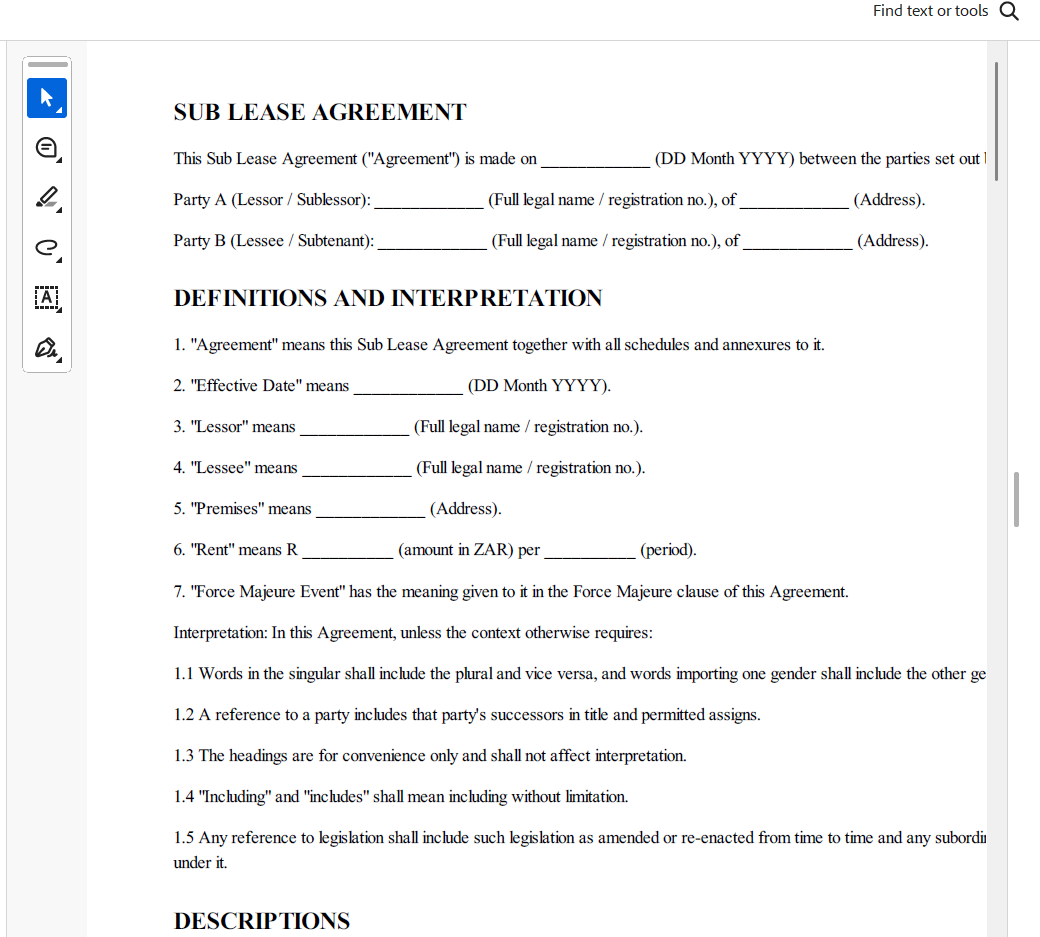
The templates and resources available through Contract Corridor are provided for general informational purposes only. They do not constitute legal advice, and their use does not create an attorney-client relationship between you and Contract Corridor or any of its affiliates.
While every effort has been made to ensure that the templates are up to date and relevant, Contract Corridor makes no representations or warranties, express or implied, regarding their accuracy, completeness, adequacy, legality, or suitability for any specific purpose. The templates may not reflect current legal developments or the laws applicable in your jurisdiction.
You are solely responsible for reviewing, customising, and validating any template before use, to ensure that any document meets your specific needs and complies with applicable laws and regulations.
To the fullest extent permitted by law, Contract Corridor, its owners, employees, and affiliates disclaim all liability for any loss, damage, or consequence arising directly or indirectly from the use of, or reliance upon, any template, resource, or related material provided on or through this platform.
By accessing, downloading, or using any template, you acknowledge and agree that such use is entirely at your own risk.
Contract Corridor Contract Templates
Legal Essentials for Subletting
The subletting of contract rights involves creating a subleasehold interest for the new tenant. This means the subtenant has a legal right to occupy the space, but their rights are derived from your original lease. Using a standard sublease contract ensures that this relationship is clear. If you use a basic sublet contract, you should still include a section on how to handle disputes or early termination.
Digital tools make it easier to manage a sublease form agreement without printing stacks of paper. A free sublease agreement template can be filled out and stored digitally as a sublease agreement pdf. This makes it easy to reference the sublet tenancy agreement sample if there is ever a question about property rules. Whether it is a sublease example for a dorm or a large office, documentation is your best defense.